Feeding Garden Birds: What Works, What Wastes Money
A bag of cheap mixed seed and a plastic tube will attract birds. It will attract three species. The gap between that and a garden with fifteen regular visitors comes down to a few unglamorous decisions about food, height and hygiene.
Cheap mixes are mostly filler
Budget seed mixes lean heavily on wheat, split peas and dyed biscuit — material that most garden birds simply throw aside to reach anything better. You end up sweeping the majority of the bag off the patio. Sunflower hearts, black sunflower, peanuts and suet cost more per kilo and waste far less, because nearly all of it gets eaten.
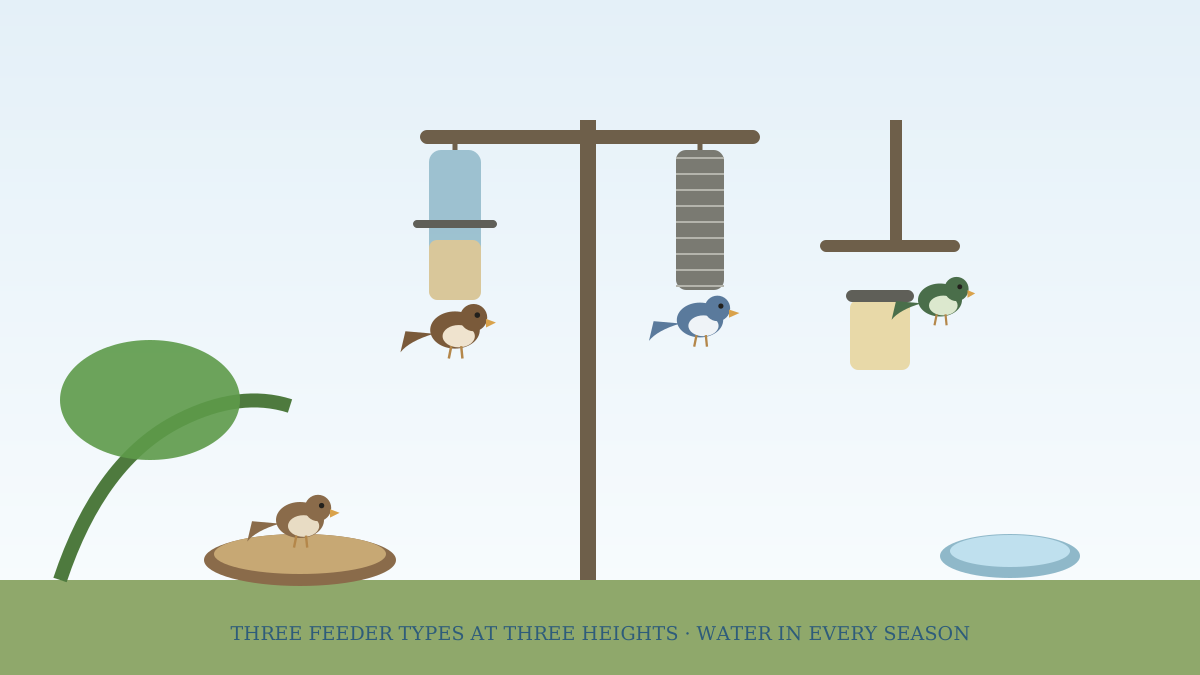
Different birds, different stations
- Tube feeders suit small seed-eaters that cling.
- Mesh feeders hold peanuts and stop large pieces being taken whole.
- Suet blocks and fat balls pull in insect-eaters, especially in cold weather. Remove any nylon netting first — it traps feet.
- Ground trays serve thrushes, doves and finches that will not use hanging feeders at all.
Three feeder types at three heights typically double the species list compared with one tube on a hook.
Placement decides who feels safe
Birds want an escape route. A feeder a couple of metres from a hedge or shrub gets far more traffic than one stranded in open lawn, because a sparrowhawk pass means cover is a second away. Equally, dense cover pressed right against the feeder gives cats a hiding place. Two metres is the compromise.
Water matters more than people think
A shallow dish with a rough bottom and sloping sides serves for drinking and bathing, and in freezing weather or drought it can attract more species than food does. Keep it shallow, keep it clean, refresh it often.
Hygiene is not optional
Feeding concentrates birds in one spot, which is exactly how disease spreads between them. Clean feeders regularly with hot water and let them dry completely, rake or move the ground station now and then, and never let wet seed sit and go mouldy. A neglected feeder does more harm than no feeder at all.
The case against feeders, stated fairly
Garden feeding is not a settled good, and a site that presented it as one would be doing you a disservice. Three objections are taken seriously by ornithologists.
The first is disease. Feeders concentrate birds at a fixed point, and several diseases spread efficiently in exactly those conditions. Declines in some garden species have been linked to outbreaks amplified by feeding stations. The mitigation is real but it demands work: clean weekly, move the feeder position periodically, and stop feeding entirely if you see a bird that is lethargic and fluffed up.
The second is predation. A feeder is a reliable place for a sparrowhawk or a domestic cat to hunt. Position matters more than most people assume — two to three metres from cover gives small birds an escape route without giving a cat a launch point.
The third is composition. Feeding favours the species that can use feeders, which are generally the ones already doing well. The birds most in trouble are usually not the ones at your window.
None of this means do not feed. It means feed deliberately, or not at all.
Frequently Asked Questions
Should I feed birds all year?
Many organisations now recommend year-round feeding with appropriate foods, since natural supply fluctuates. Provide clean water in every season as well.
Where should a feeder go?
Within a couple of metres of cover so birds can escape, but not so close that cats can ambush from it. Visible from a window is a bonus for you, not for the birds.
How often should feeders be cleaned?
Regularly — dirty feeders spread disease between visiting birds. Wash with hot water, dry fully, and move the feeding site occasionally to avoid build-up underneath.
How often should a feeder be cleaned?
Weekly is the usual recommendation, with hot water and a brush, dried before refilling. Move the feeder to a slightly different spot every few weeks so droppings do not accumulate under one point.
Should I stop feeding in summer?
In most regions there is no need to stop, but what you offer matters more in the breeding season. Avoid whole peanuts and large hard items that can choke a chick; feeders with mesh or crushed material are safer while adults are carrying food to a nest.
Sources & Further Reading
- British Trust for Ornithology — Garden BirdWatch — www.bto.org
- National Audubon Society — www.audubon.org
Last updated: 6 August 2026